The year beforeeverything else
Foundation is for the kindergarten years at Path Valley. It is where a child learns that letters make sounds, that numbers mean amounts, and that being asked a question is not something to be afraid of.
Foundation Learning Programme
Children in their kindergarten years, whatever they arrive knowing.
Some children come to us reading a few words. Others are still working out which way a book opens. Both are exactly where a four-year-old is allowed to be, and neither is a problem to be corrected before the year can start.
What Foundation does is meet a child at that point and build from it — slowly enough that nothing is skipped, and in a group small enough that nobody is carried along without being noticed.
The same shape every time
Young children settle faster when they can predict what comes next. Every Foundation session runs in the same order, so the structure stops being something a child has to think about.
Arrive and settle
Bags down, names greeted, a short shared activity. The point is that the room becomes familiar before any work begins.
Circle
The whole group together — a story, letter sounds, counting aloud. Listening and speaking in front of others is a skill, and this is where it is practised.
Guided work
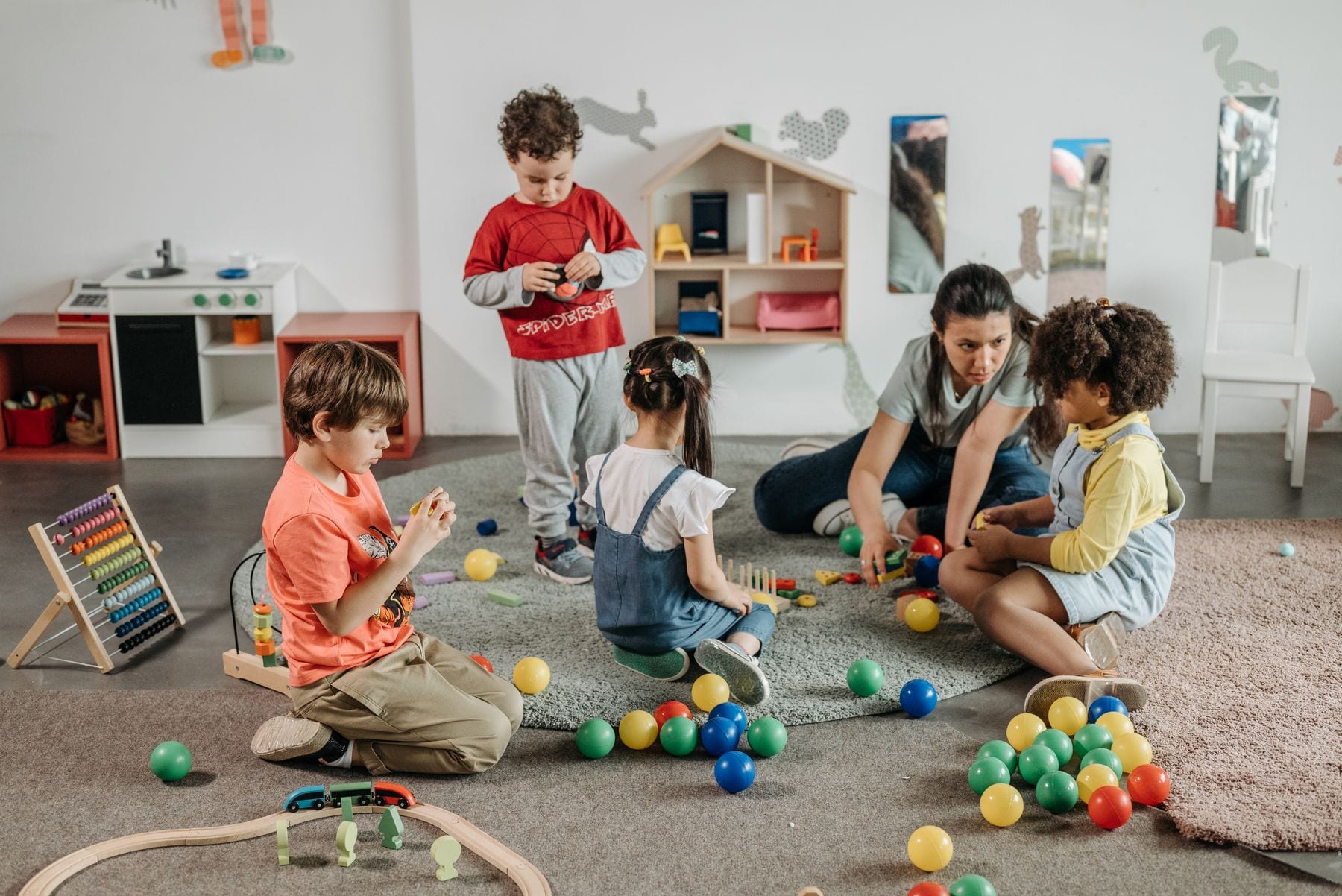
The teacher works with a small group at the table while the rest continue with set tasks. Every child gets direct attention in this part of the session.
Hands on
Blocks, beads, sorting trays, sand, paint. Early number sense and fine motor control are built by handling things, not by worksheets.
Close
Tidying, a short review of what was done, and one thing to tell a parent about. Children remember what they have had to put into words.
Five things a child leaves with
Letter sounds and early reading
Recognising letters, hearing the sounds inside a word, and blending the first short words. Phonics before fluency, always in that order.
Number sense
Counting with meaning, recognising quantities without counting, and the beginnings of adding and taking away — with objects long before symbols.
Pencil control
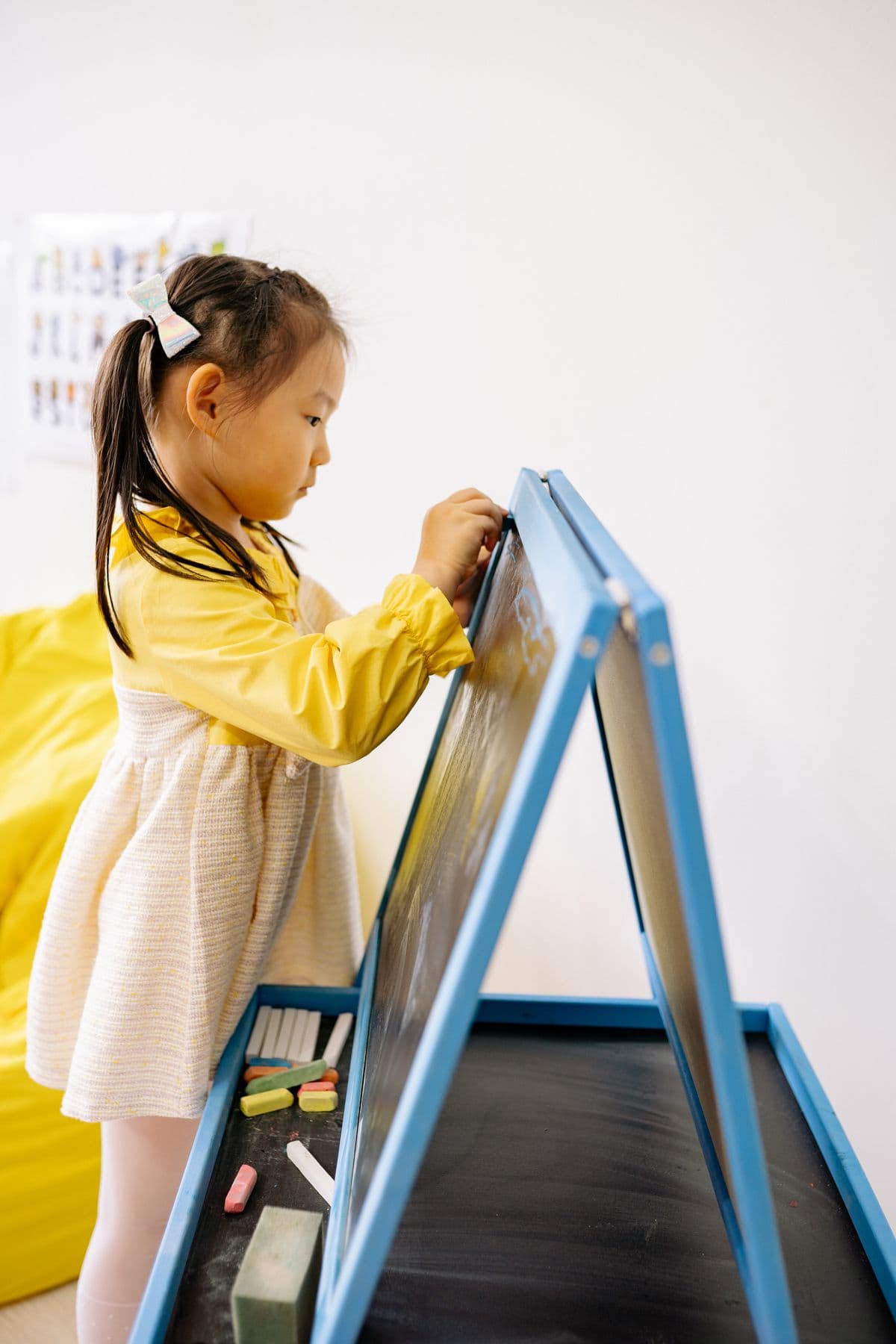
Grip, pressure, and the shapes that letters are made from. Handwriting is a physical skill and it is trained like one.
Listening and speaking
Following a two-part instruction, answering in a full sentence, waiting for a turn. Most early classroom difficulty is a listening difficulty.
Independence
Managing a bag, finishing a task, asking for help in words. School readiness is mostly this, and it is rarely taught on purpose.
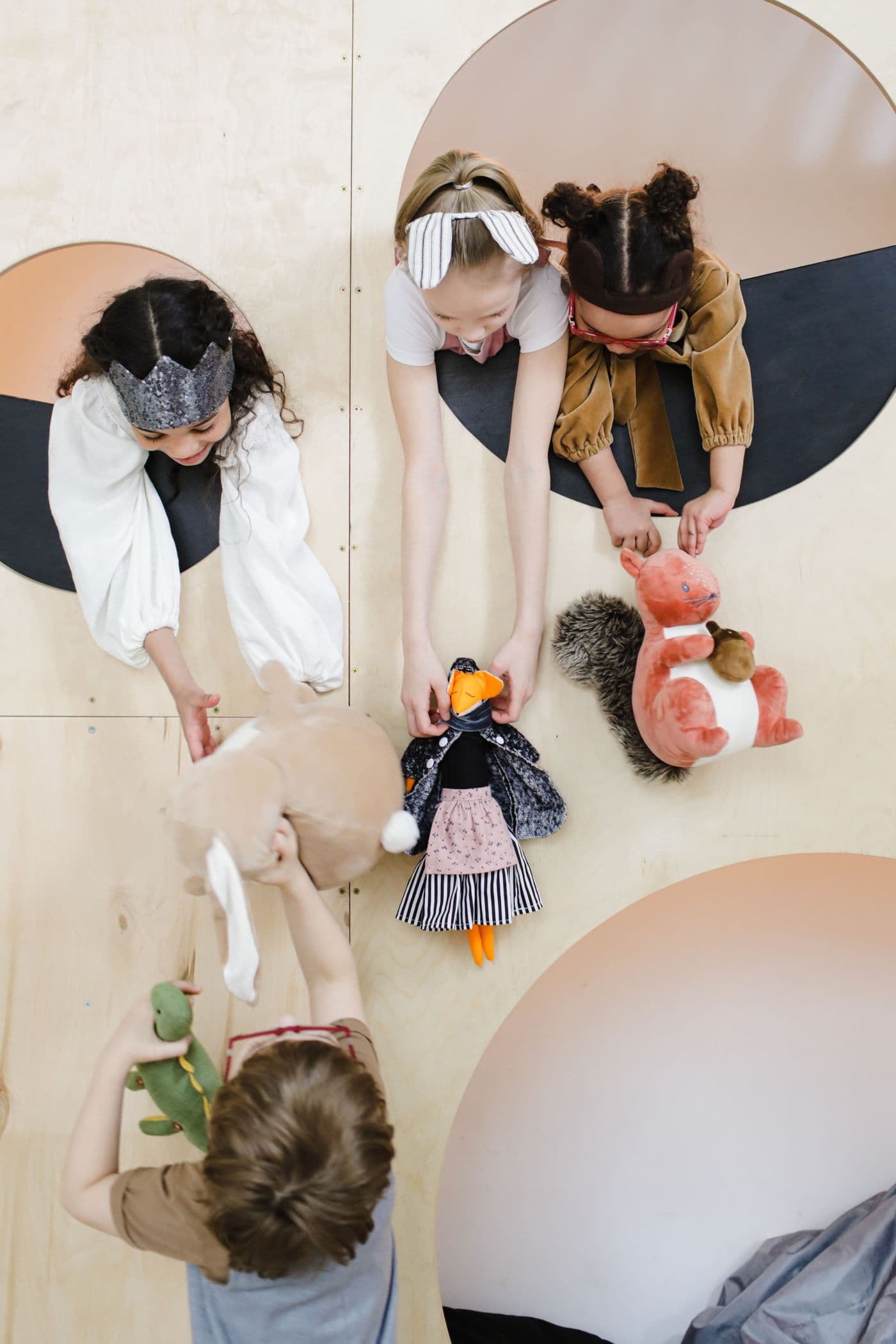
Play is not the break between the learning. At this age it is the method.
A child sorting shapes is doing early geometry. A child arguing about whose turn it is, and settling it, is doing more for their Grade 1 year than another worksheet would.
What Foundation is preparing for
The Foundation year is not an end in itself. It exists so that Grade 1 starts from a floor rather than from a standing jump.
- Reads and writes the letter sounds, and blends simple words
- Counts, compares and orders numbers with understanding rather than by rote
- Holds a pencil correctly and forms letters without being reminded how
- Follows classroom instructions and works alone for a stretch
- Speaks up in a group without being singled out to do it
After Foundation
Children move into the Primary Learning Programme, which picks up the same subjects at Grade 1 level and carries them to Grade 4. Integrated Education runs alongside both, from the first session.